
The business case for investing in a lone worker safety solution
Every Australian state now enforces psychosocial hazard laws. See what it means for your lone workers and your risk.



Once you have determined that somebody seems to be displaying signs, you need to be ready to ask the question. Ensure you are in a good headspace and have prepared for different scenarios and responses.

Find an appropriate time to see them and find a place that is in a safe and comfortable environment. This might include a quiet place, with low distractions.

Be relaxed, friendly and concerned in your approach. Listen with an open mind and encourage them to take action and seek help if they need. Remember if the time isn't right or they don't want to talk that is okay, just offer support by saying "I am available if you ever want to chat".

After your initial chat it is important to check up on them in a couple of weeks and see how they're going. Genuine care and concern can really make a difference.
Every Australian state now enforces psychosocial hazard laws. See what it means for your lone workers and your risk.
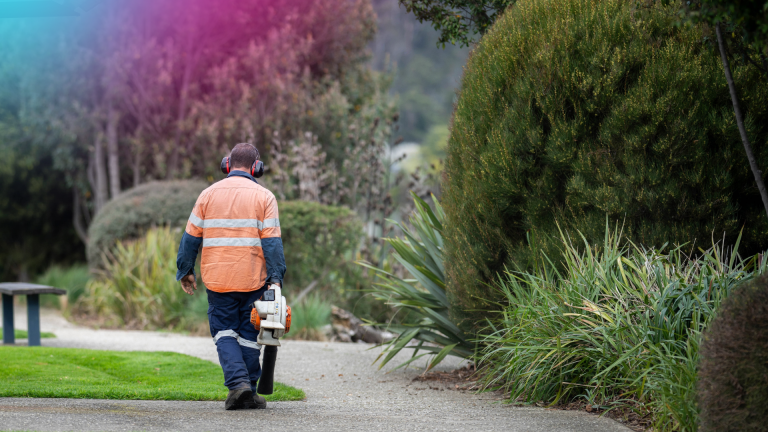
This guide will walk you through what a robust lone worker safety system should include and how technology can help your organisation move from reactive to ready.

Free guide to the home visit risks you can’t plan away and what your organisation can do to manage them anyway.