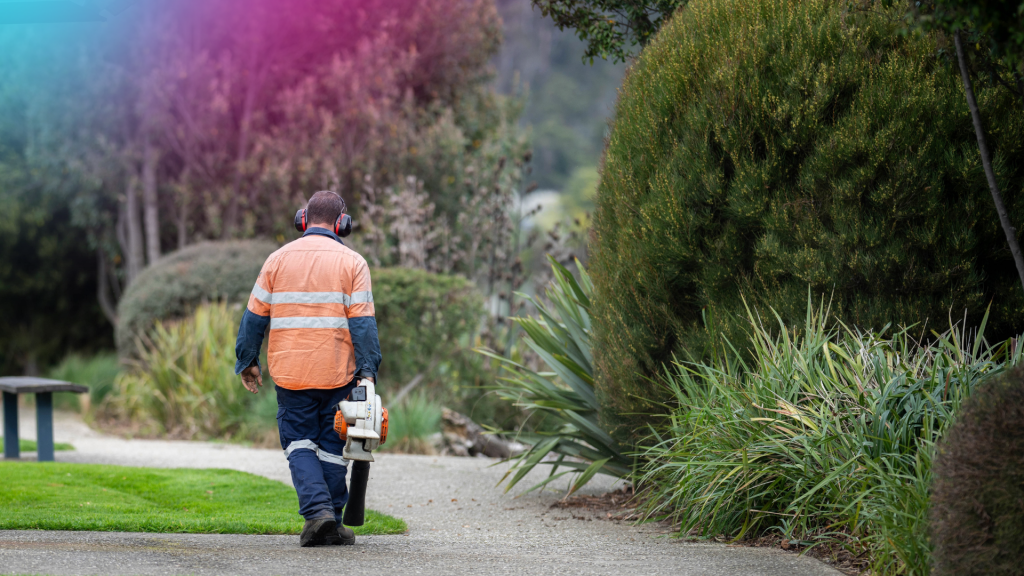
How to protect local government lone worker safety
A practical guide for WHS, HR, and operations leaders in local government
Rangers, compliance officers, building inspectors, environmental health officers. Your field teams spend their days on properties, in public spaces and travelling between sites without a colleague nearby. Most visits go exactly to plan.
However, councils have a duty of care that extends well past the depot gate and an informal check-in arrangement won’t hold up if something goes wrong and a worker can’t call for help themselves.
This free guide breaks down the real risks facing local government field staff, what your WHS and governance obligations actually demand and the specific capabilities a genuine lone worker safety system needs so you can move from an arrangement that’s worked so far to one that’s built to work when it matters.
Key takeaways:
Why “it’s always been fine” won’t hold up to regulatory scrutiny
The four categories of risk local government field workers face on a typical day
What your obligations as an employer actually require
Why manual check-ins fail in the exact moments they’re needed most
The essential features of a system built to protect lone workers, not just monitor them
A five-step plan for moving from assessment to full rollout