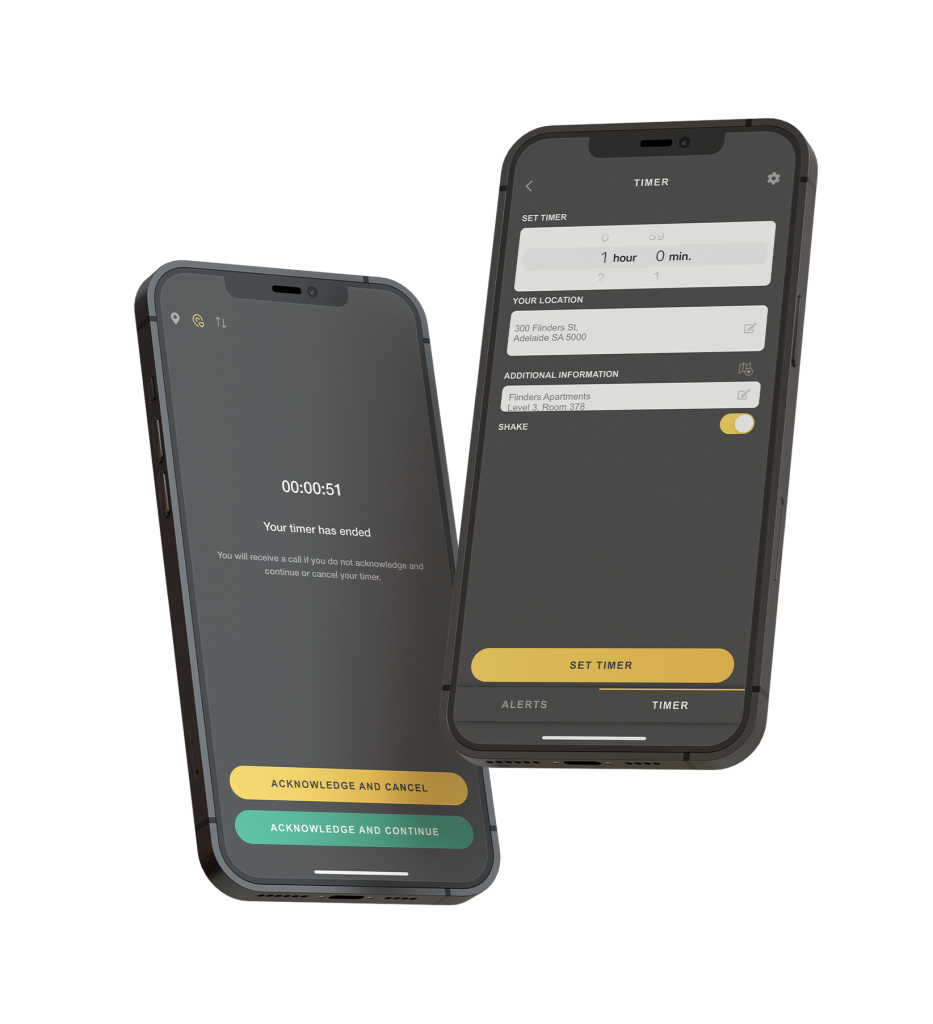
When staff are working alone, manual check-ins create blind spots. WorkSafe Guardian replaces them with real-time visibility, so managers can support staff without chasing calls, texts, or extra paperwork.
Instead of relying on calendars, shift plans, or expected end times, the welfare timer turns silence into signal.
Workers set a timer before a visit or task. If the don’t check in when it ends, the response is triggered automatically. No one needs to notice. No one needs to remember. No one needs to guess whether something is wrong.
The moments timers are designed for:
Lone workers don’t get to choose when something goes wrong.
A worker passes out on site with no one nearby
A situation turns threatening and reaching a phone isn’t safe
A fall leaves a worker unable to call for help
A worker seeks safety away from their device
An incident occurs between check-ins with no one expecting contact
When prevention isn't enough, our team are ready.
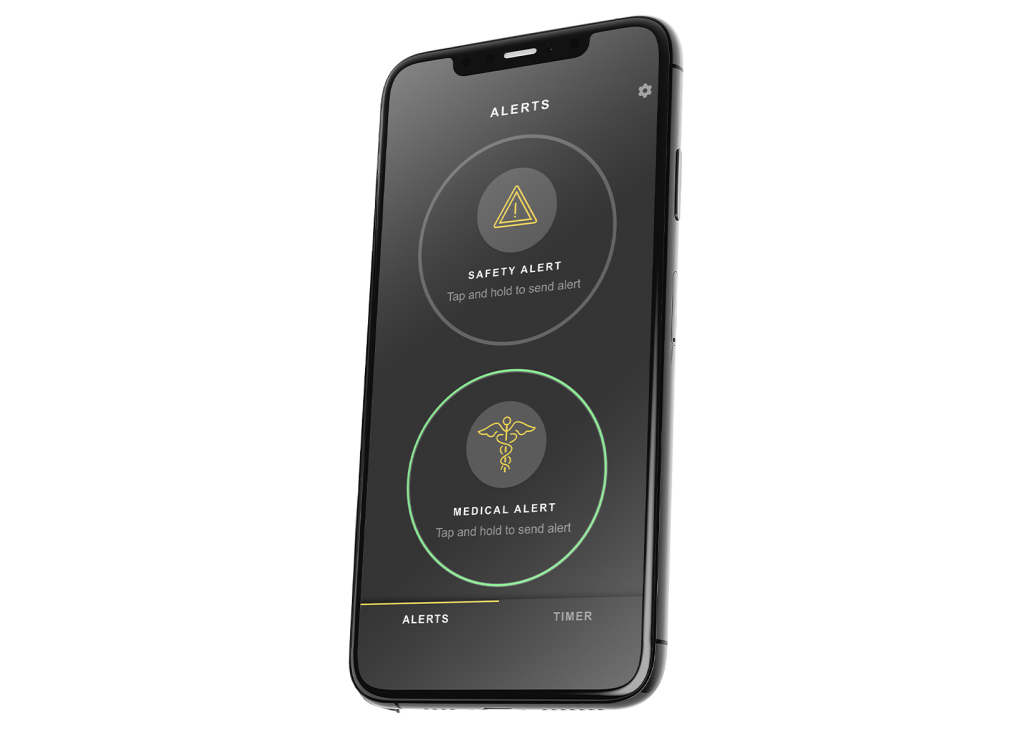
Triggering an alert is simple
No complex steps
No remembering who to call
No reliance on calm decision-making under pressure
Healthcare organisations that trust WorkSafe Guardian
Book a demo tailored to your team
See how WorkSafe Guardian supports lone worker safety across healthcare settings, including home visits, after-hours work, and mobile teams.
We’ll walk through how alerts, escalation, and response processes work in practice, and how teams typically implement the system.